Who
are we?
Our history
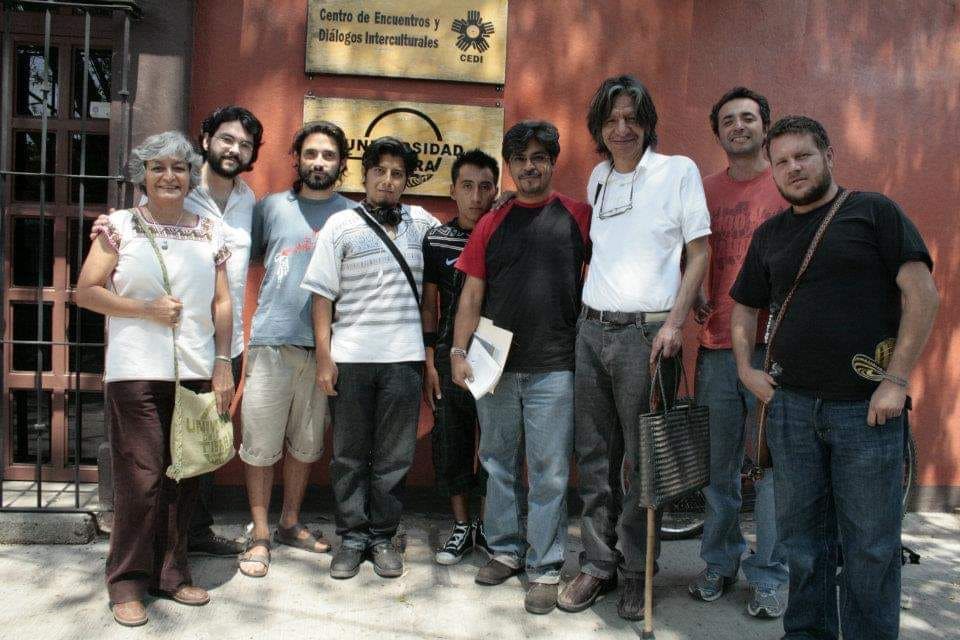
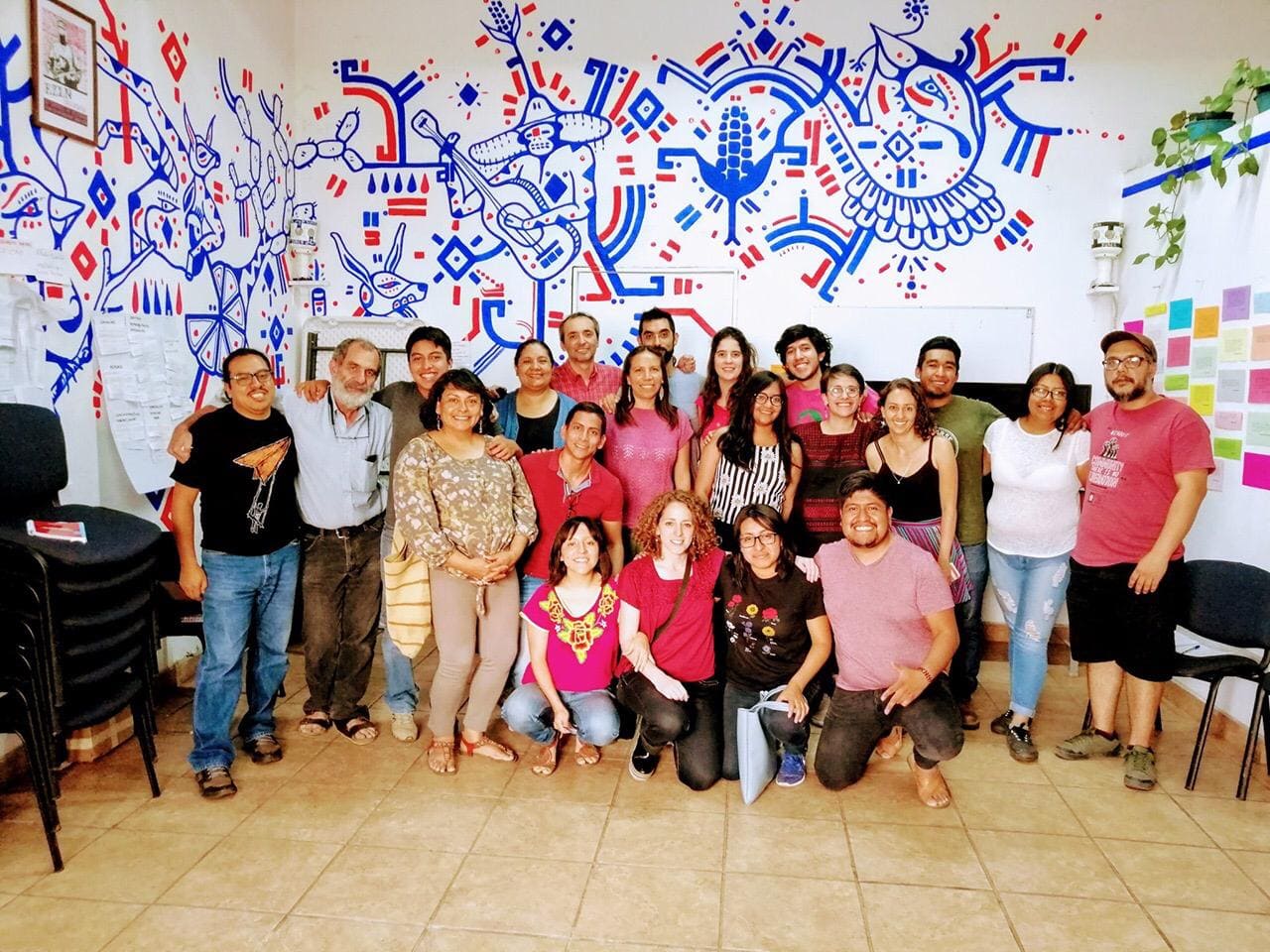
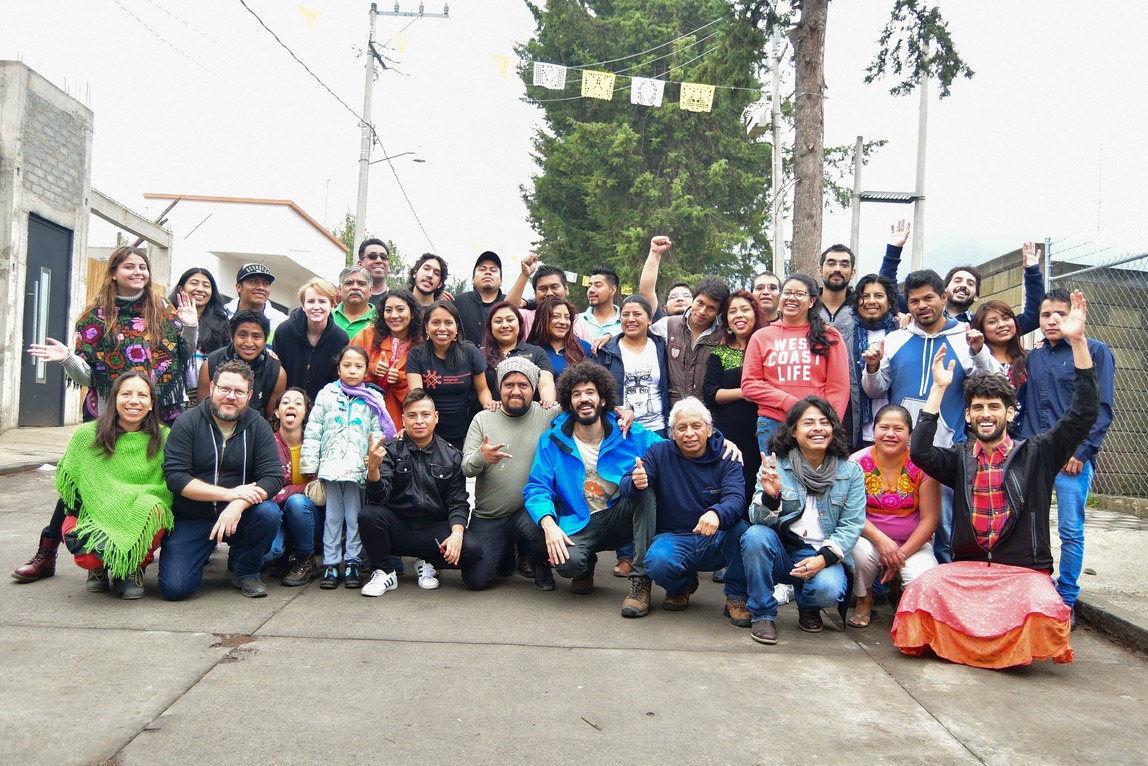
Redes por la Diversidad, Equidad y Sustentabilidad A.C. (REDES A.C.) is a Mexican civil society association that was born in 2004 to promote the formation of support networks and facilitate processes for organizations, groups and communities. Initially, our work was framed in sustainable community development projects and later, we focused on community and indigenous communication processes.
2004: Emergence
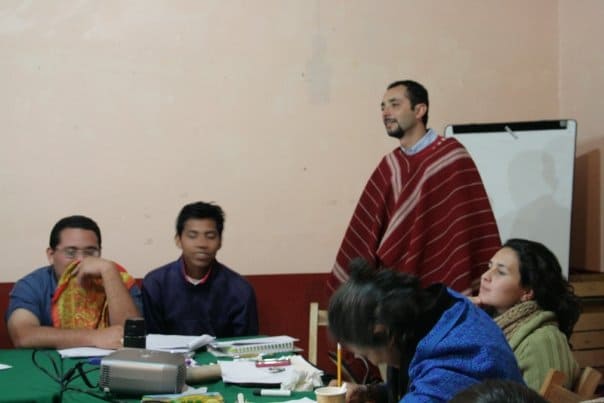
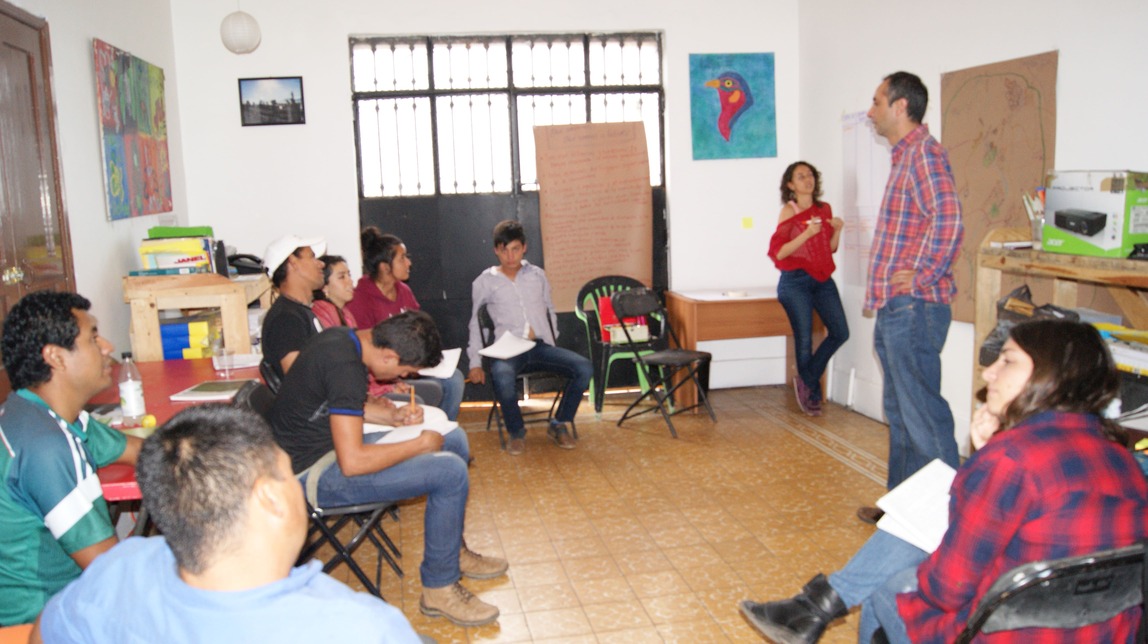
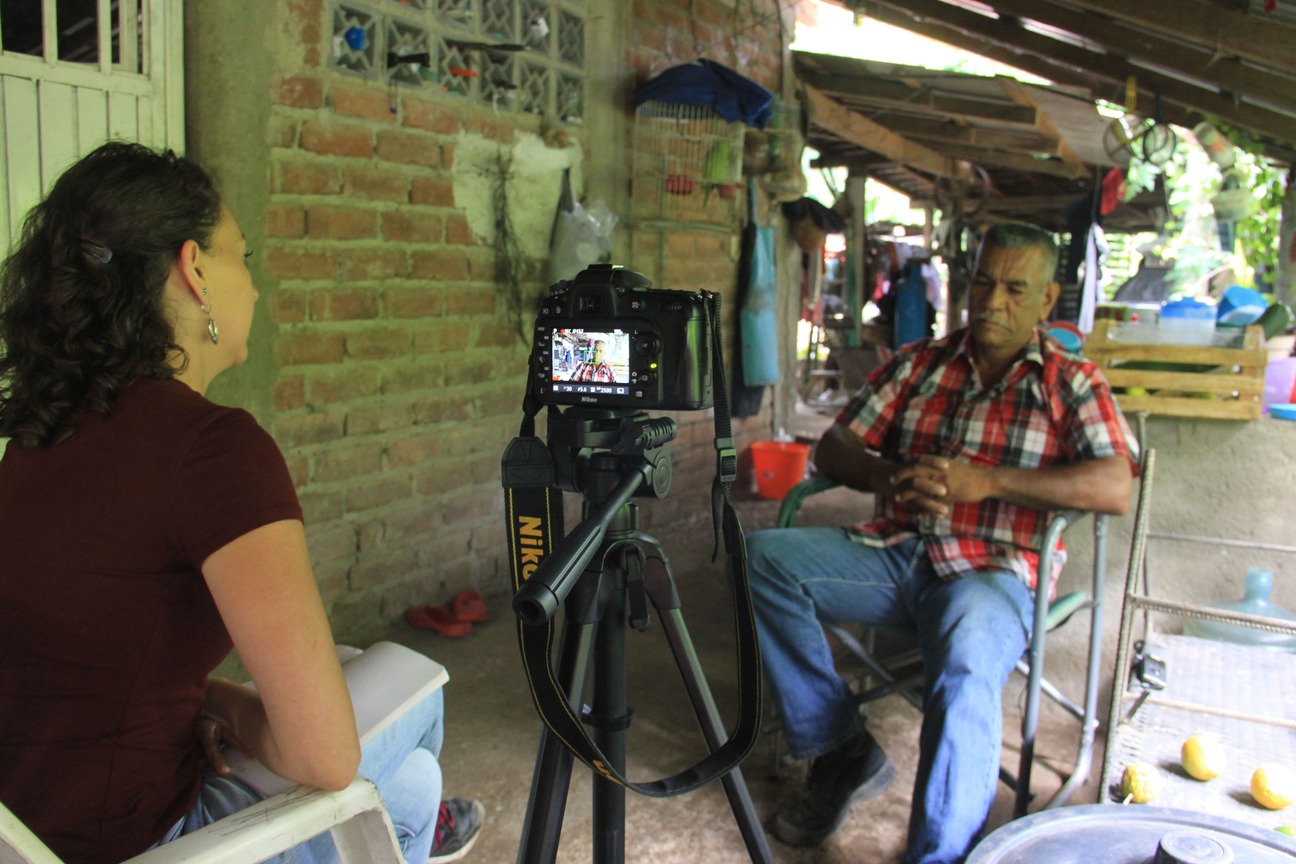
During the first years, we accompanied communities and/or organizations in the search for alternatives for their development, the planning of their life projects and collective dreams, as well as in the joint work to make them a reality. Our contributions focused on promoting and/or strengthening community organization, providing information and contacts, guiding education and training processes to create collective skills and capacities, as well as promoting links with networks of organizations to exchange experiences and work together with other organized communities.
2006 to 2011: Sustainable community development
2008 onwards: Accompaniment of community and indigenous communication projects.
Political Advocacy
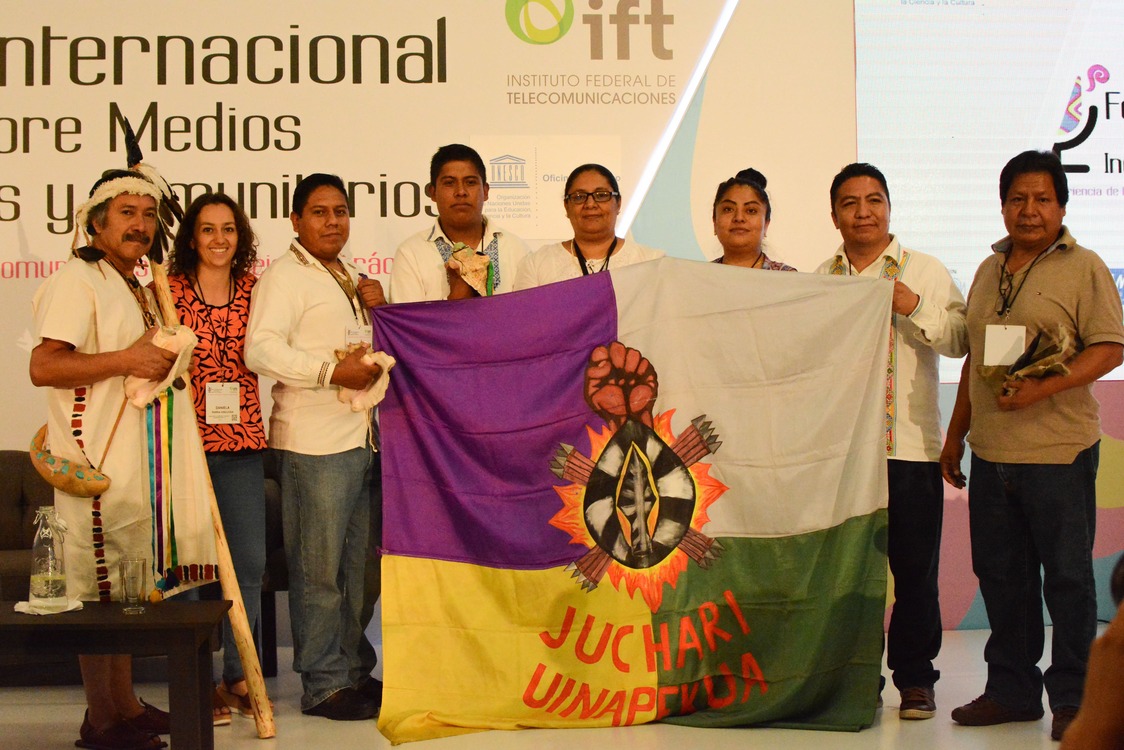
In 2008, we began to accompany the processes and actions of indigenous communicators to achieve recognition and sustainability of their media.. To contribute to this process, we published the Manual for the Processing of Indigenous Broadcasting Permits (2008). Within the framework of the telecommunications reform of the year 2013In addition, we carried out advocacy actions to make transparent and facilitate the processes for obtaining community and indigenous social concessions from the Federal Telecommunications Institute (IFT).
In 2016 we participated in the organization of the Grupo de Incidencia para el Desarrollo de la Comunicación Indígena y Comunitaria (GIDCIC) (Advocacy Group for the Development of Indigenous and Community Communication)and we launched the ComunicarES campaignto reaffirm the role and work of community and indigenous media and to counteract the negative effects permeated by the campaign "Wanted for robbery", which was broadcast by the IFT.
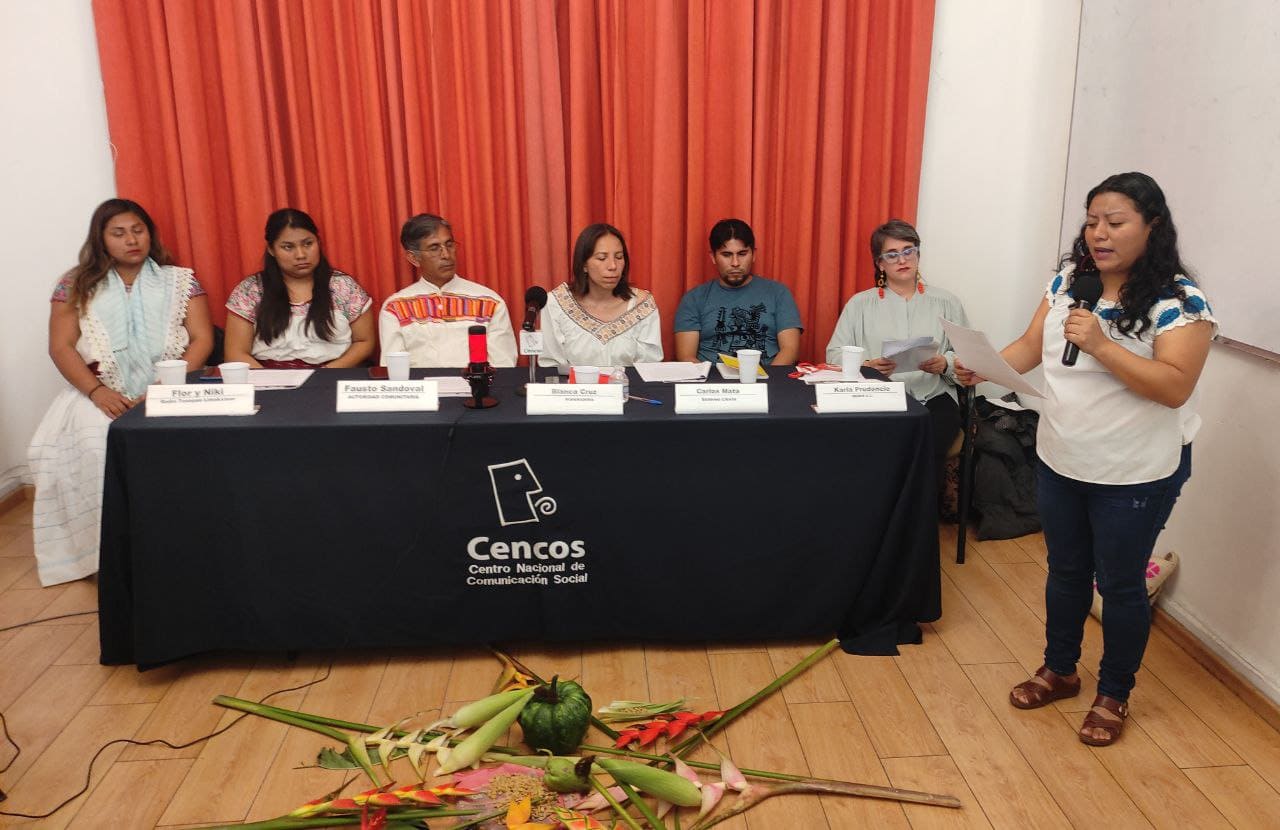
In 2022 published the Public policy recommendations for the promotion of indigenous and community media in Mexico as part of the project "Design of public policies for the strengthening of indigenous and community media and for the inclusion of pluralistic content in public and commercial media", in which we participate together with UNESCO and other organizations.
Proprietary Content
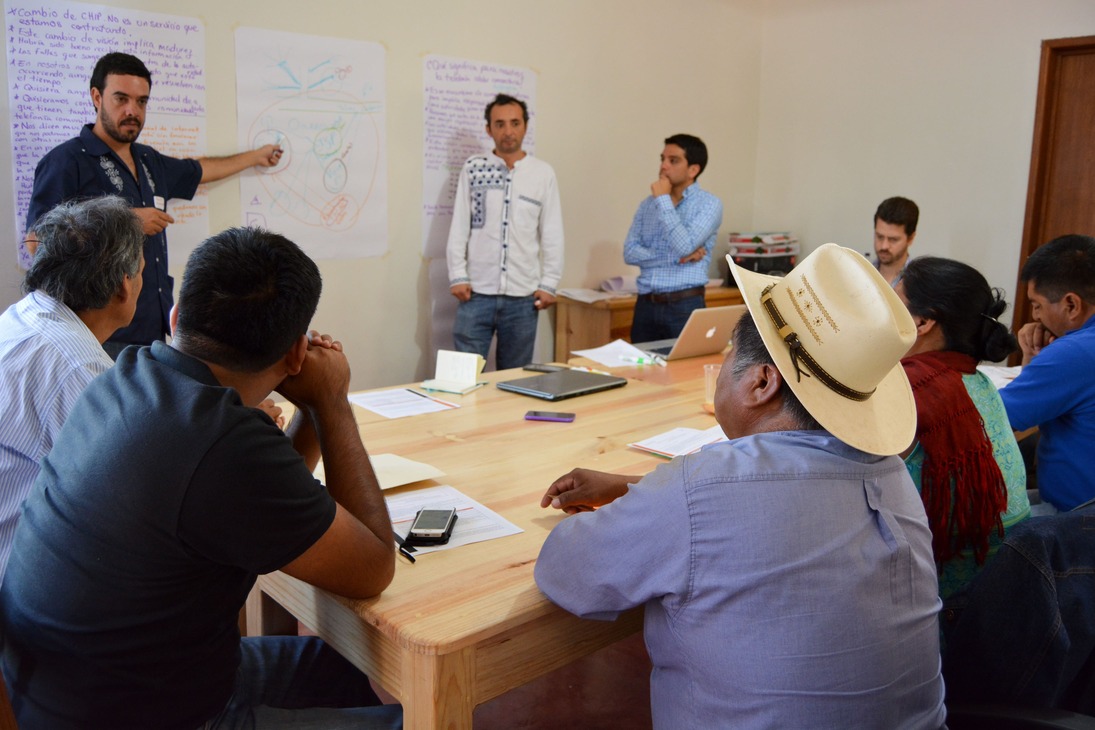
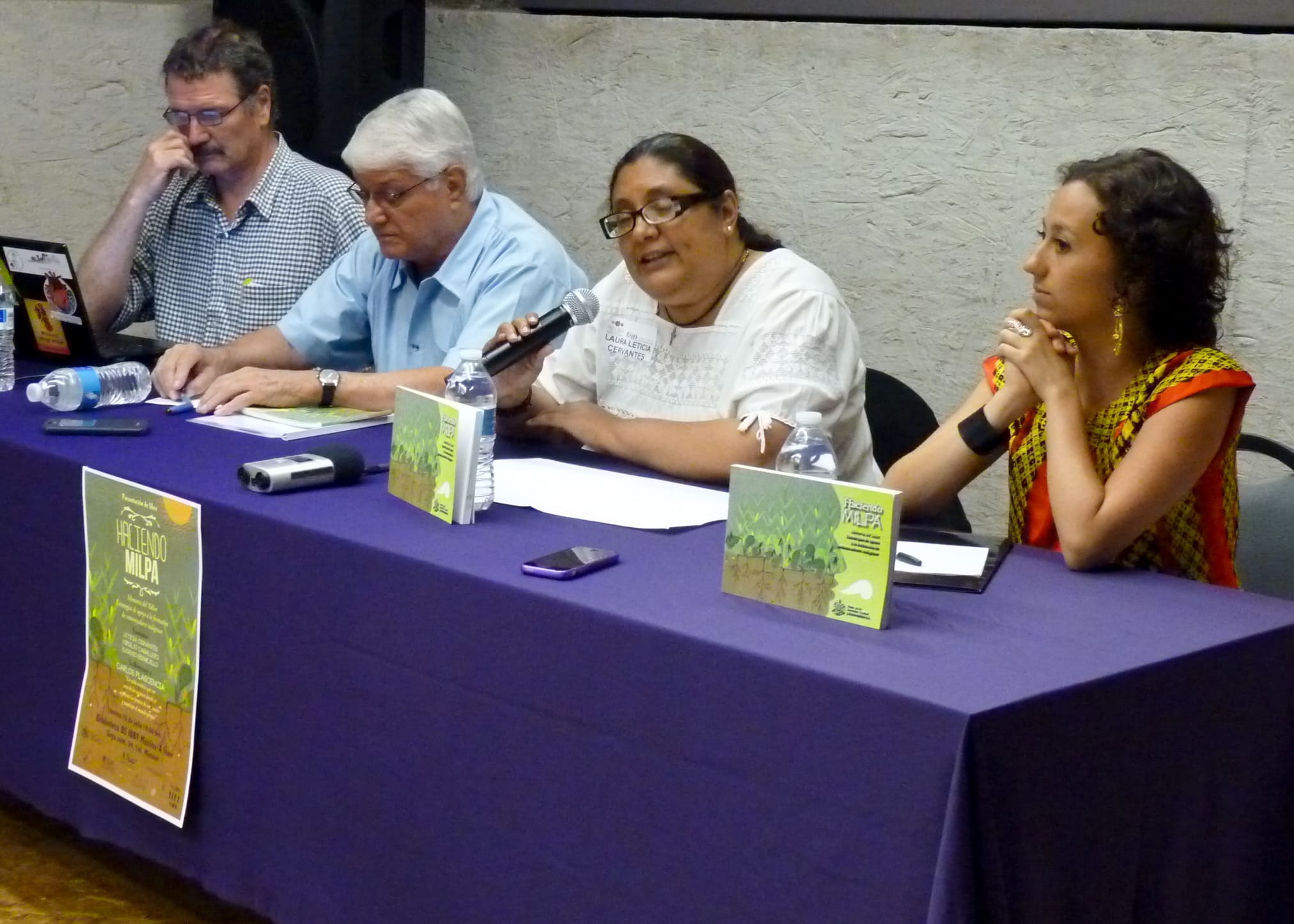
In 2012 we created the Indigenous Communication Training Program. to accompany and support the processes promoted by indigenous communities and organizations in the training of communicators. As part of this program, in 2014 in the city of Oaxaca, the Workshop on Strategies to Support Training in Indigenous Communication was held, which allowed a rich exchange of experiences, the systematization of which led to the creation of the book Making Milpa (2015).
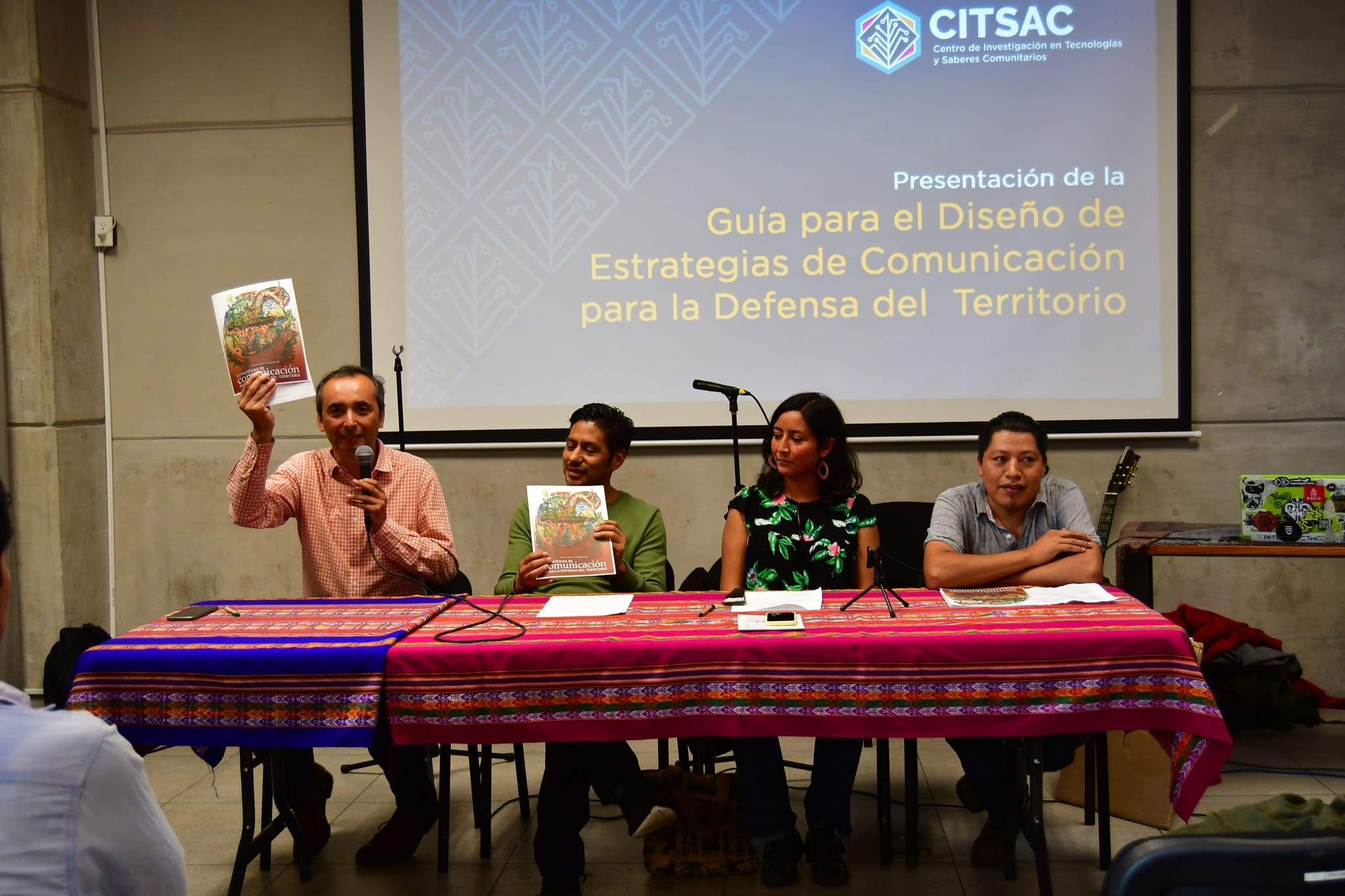
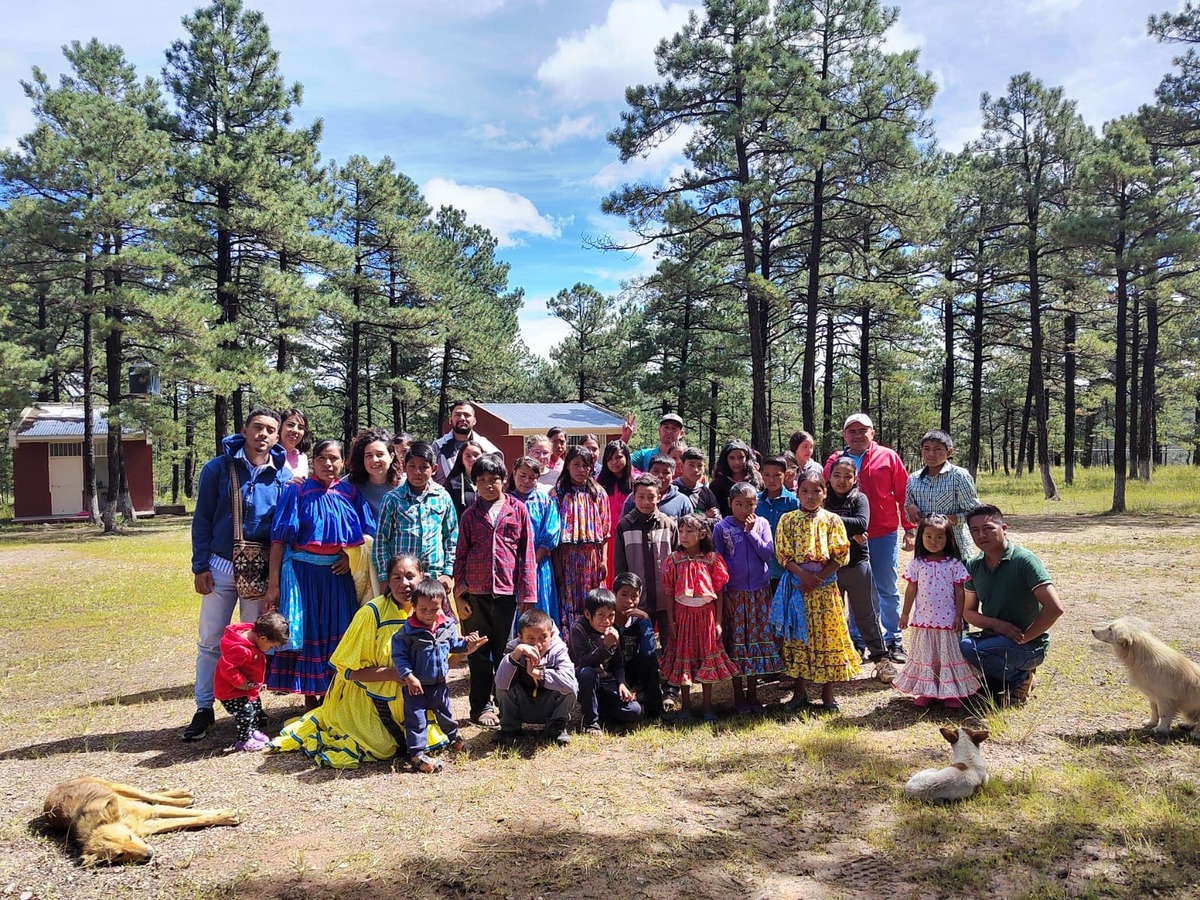
Based on our work with indigenous communities in Michoacán, Puebla, Oaxaca, Chihuahua and Chiapas, we systematized our learning in two areas training guides: Design of Communication Strategies for the Defense of the Territory (2019) y What if we rethink technologies? Methodological Proposals for Designing and Implementing Community Communication Projects (2019).
At December 2020 was signed the Declaration of Principles for Cultural and Linguistic Diversity in the Media as one of the results of the Design of Public Policies for the Strengthening of Indigenous and Community Media in Mexico project. and the inclusion of plural/diverse content in public and commercial media, which was carried out jointly with UNESCO. As a result of a collaborative work with several organizations, born in January 2021 Mockingbird Songa radio magazine collectively promoted by organizations of community, indigenous and Afro-descendant communicators, which is broadcasted in more than 40 public, community and indigenous radio stations and disseminated through digital platforms.
Technologies for Autonomy
In the 2014 together with Rhizomatica and the Oaxacan community of Talea de Castro, we participated in the creation of the first Community Cellular Telephony networkThe company is a technological, operational, economic and legal not-for-profit scheme that allows rural communities to acquire, manage and operate their local cellular telephone network.
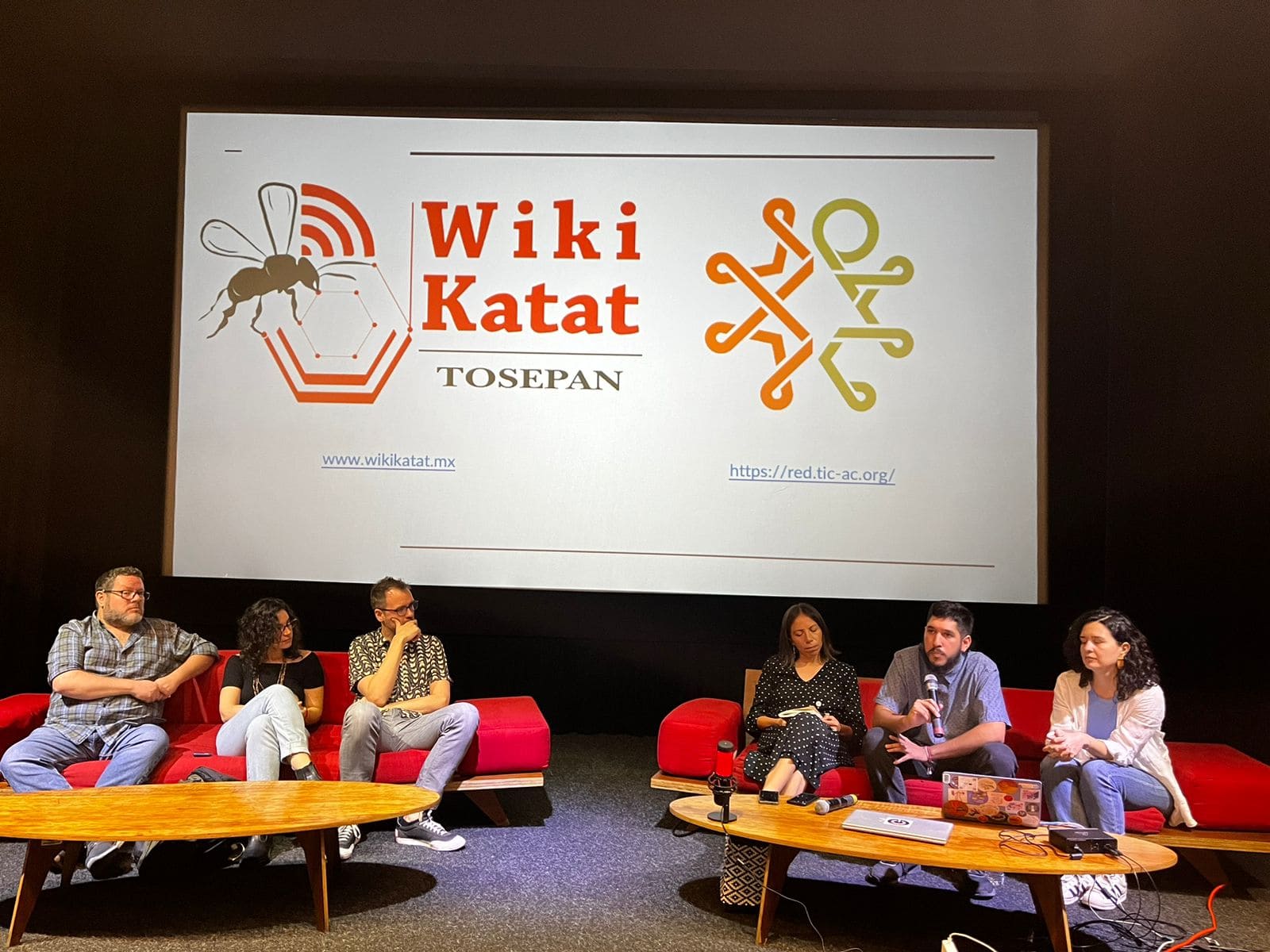
After using an experimental concession for two years, 16 communities decided, together with REDES and Rhizomatica, to incorporate under the legal figure of Telecomunicaciones Indígenas Comunitarias A.C. (TIC A.C.)to apply for the single and radio spectrum concessions for indigenous social use that were granted in 2016. From 2020We accompanied TIC A.C. and the Union of Tosepan Cooperatives in the development of their mobile virtual network operators (MVNOs). Indigenous Community Telecommunications - OMV (TIC-OMV) y Wiki KatatThe company is the only one in the country to offer this service for social and community purposes, providing telephony and Internet with nationwide coverage through the Altán Shared Network.
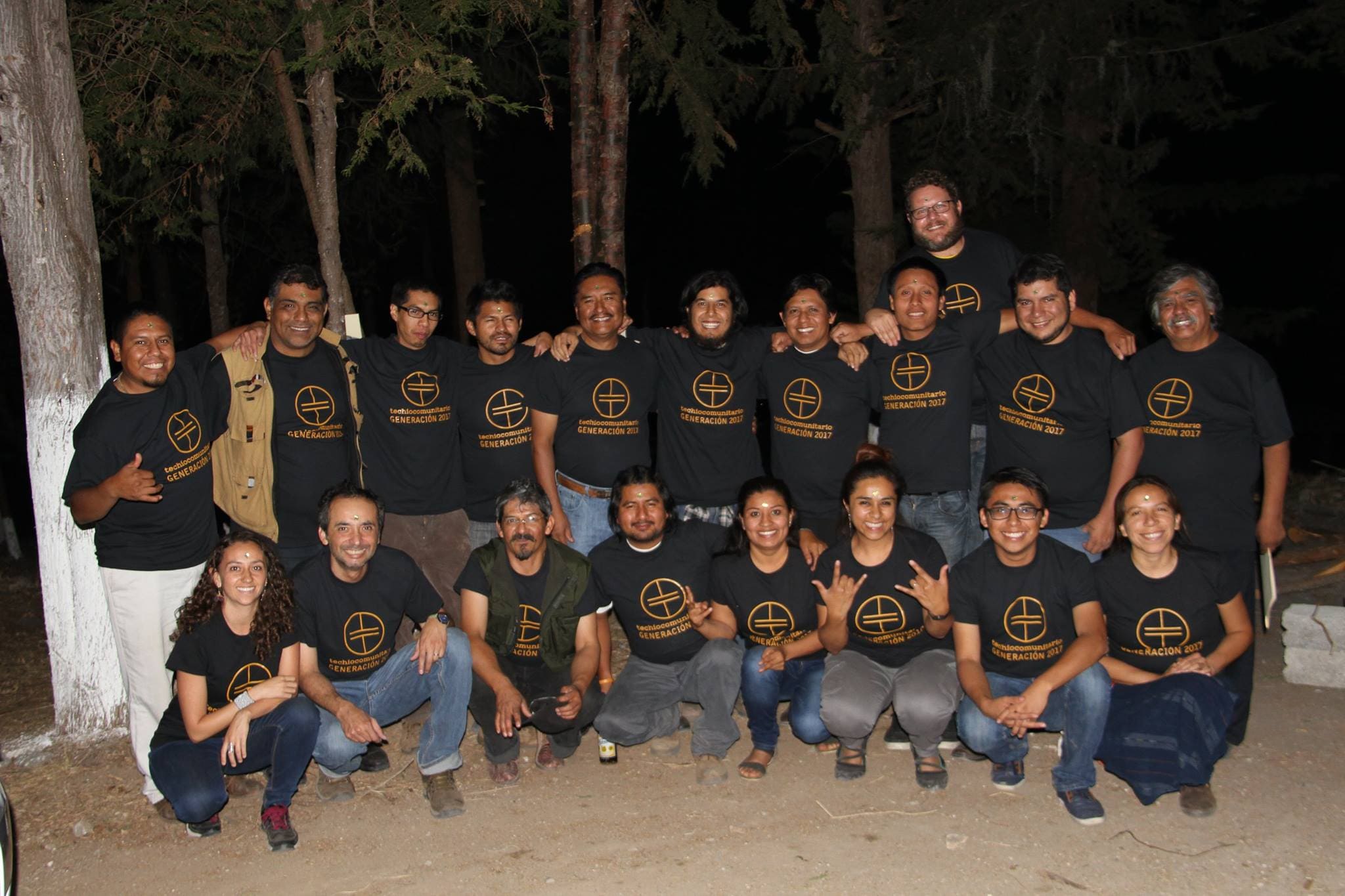
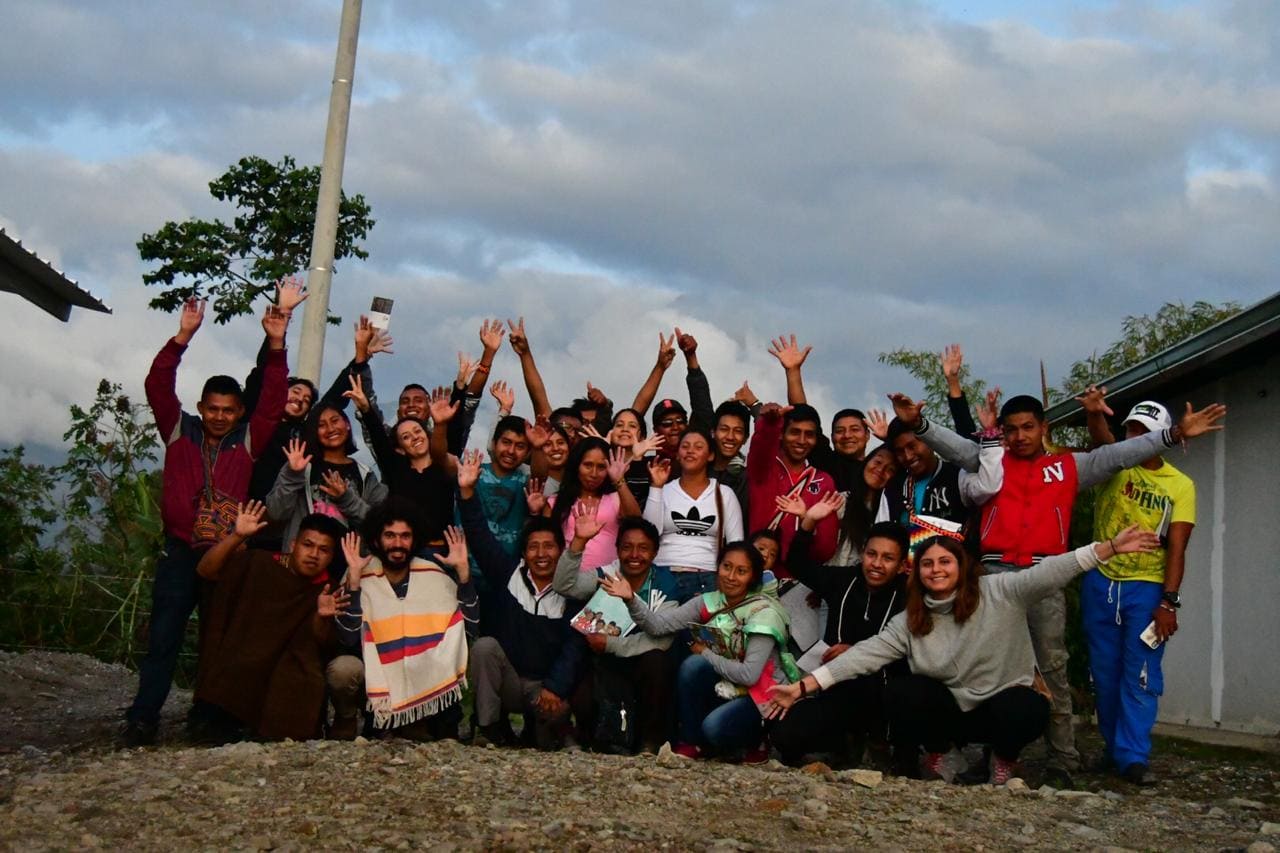
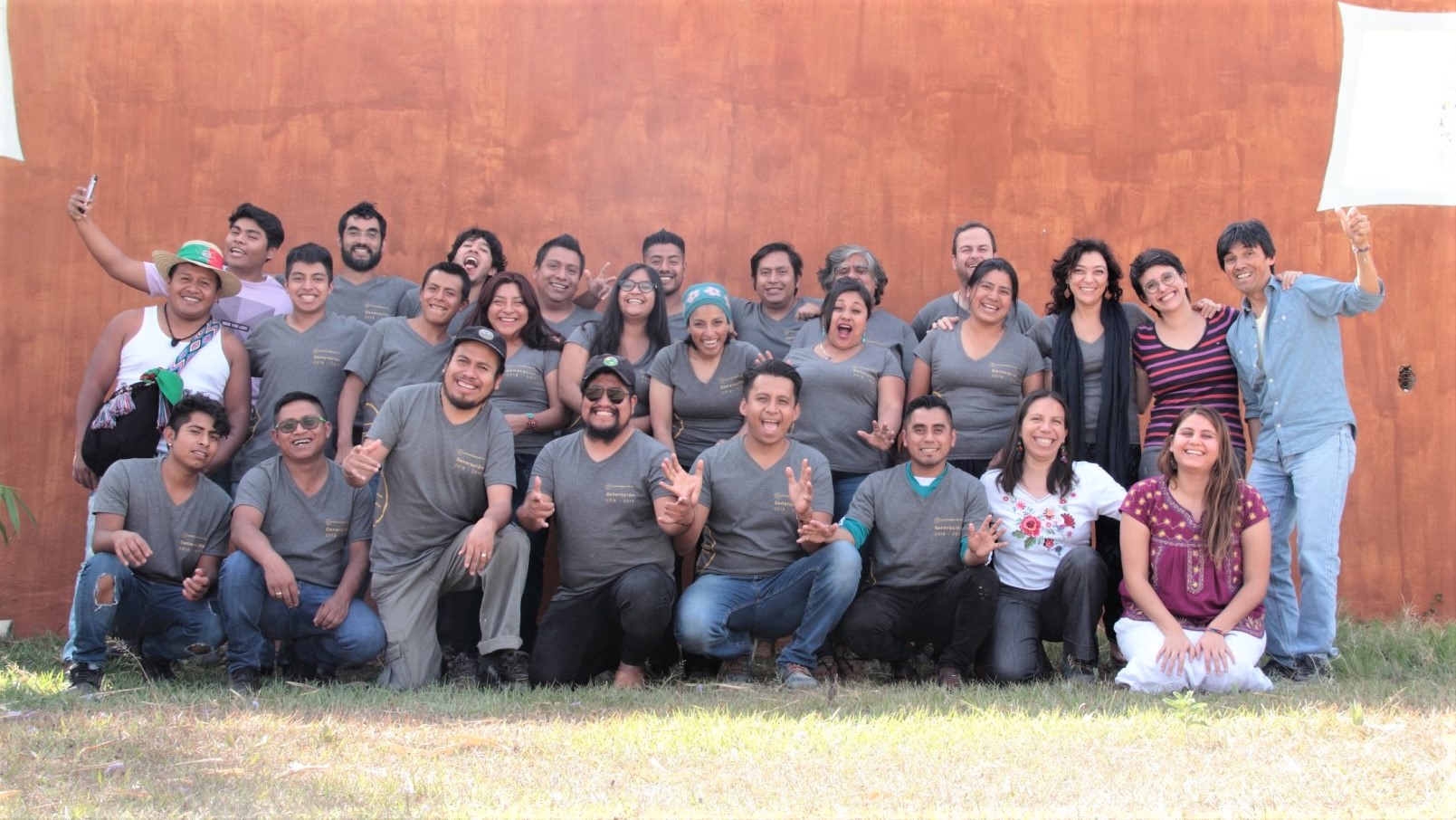
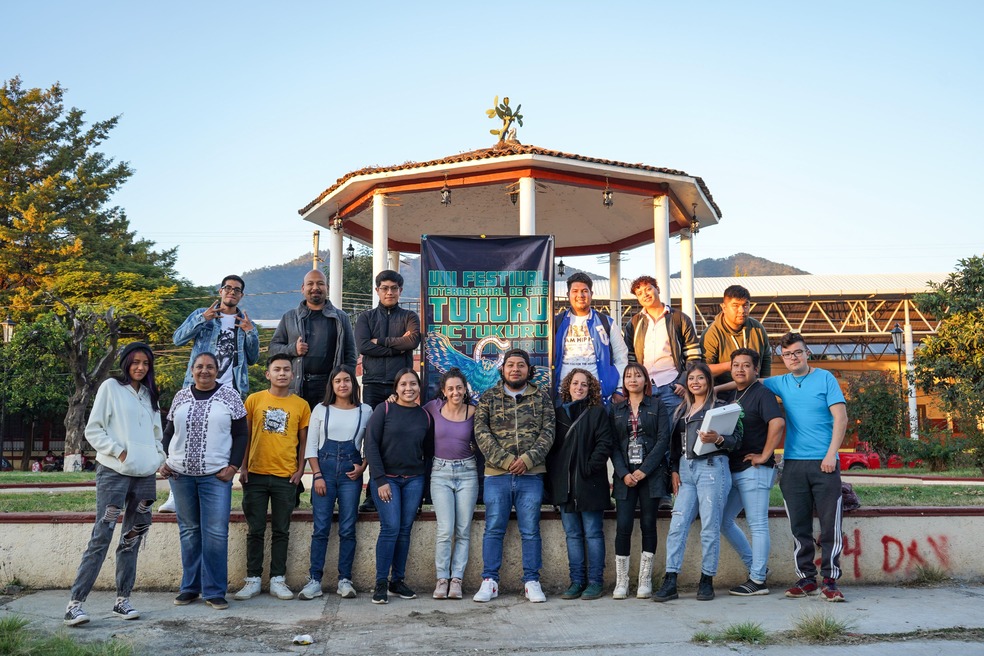
With a view to strengthening technological autonomy through the development of technical capabilities, in 2016 was held the first edition of the Community Techioa training program for the management of telecommunications networks in indigenous and rural communities, with the participation of communicators who were trained in radio broadcasting, wireless Internet networks and community cellular telephony. Starting in 2020, the program was extended to Latin America in collaboration with ITU. in a hybrid format.
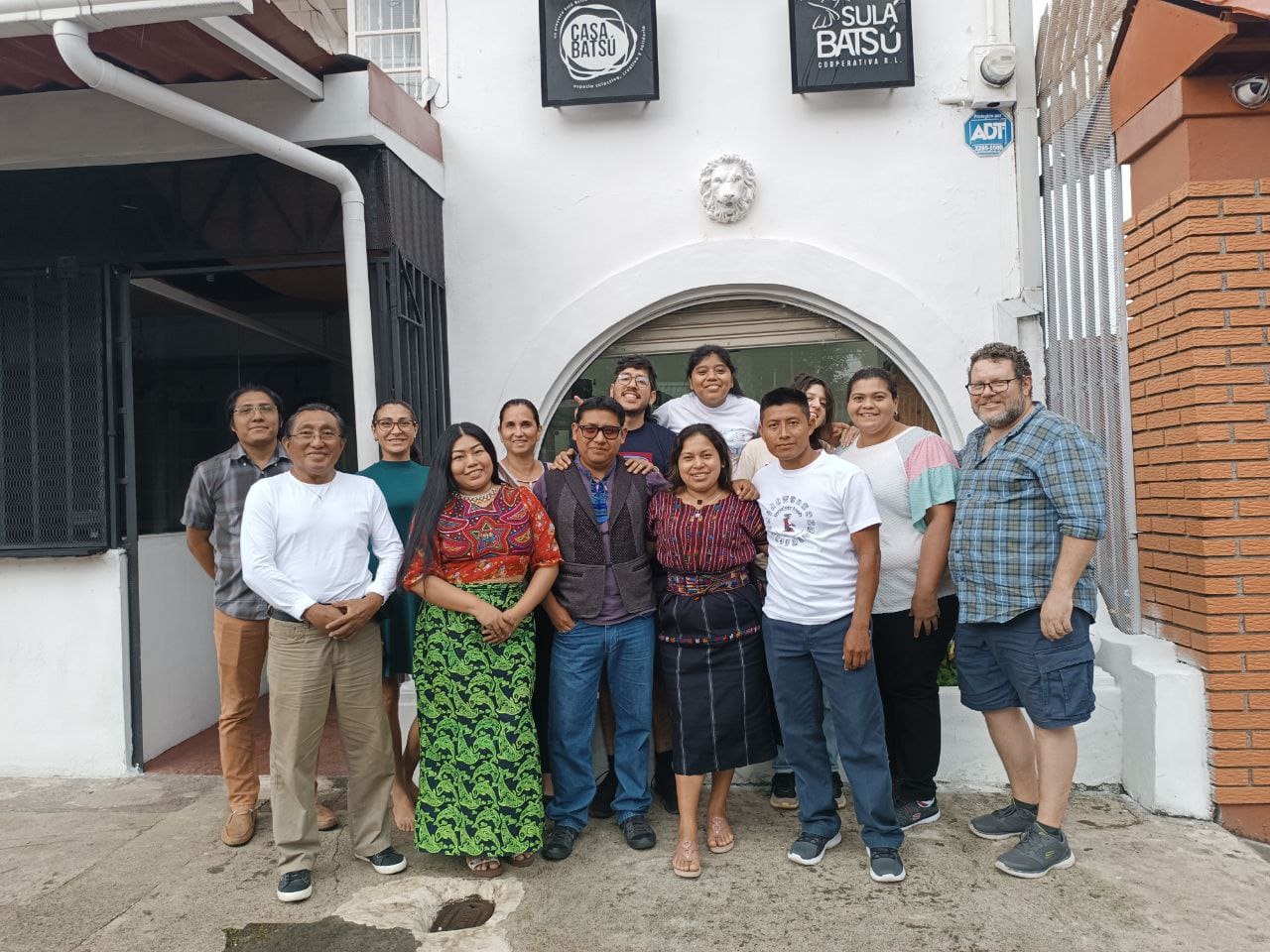
From the 2021year in which we shared the Techio Comunitario methodology through the Techio Comunitario guide. Technological autonomy as a constellation of experiences. Guide for the collective creation and implementation of training programs for community technical promoters (2021), have been developed in the National Community Network Schools (NSCN) in Brazil, Nigeria, Kenya, South Africa and Indonesia. This is done as part of the Supporting community-led strategies to address the digital divideimplemented by APC y Rhizomatica under the LocNet initiative.
Applied Research
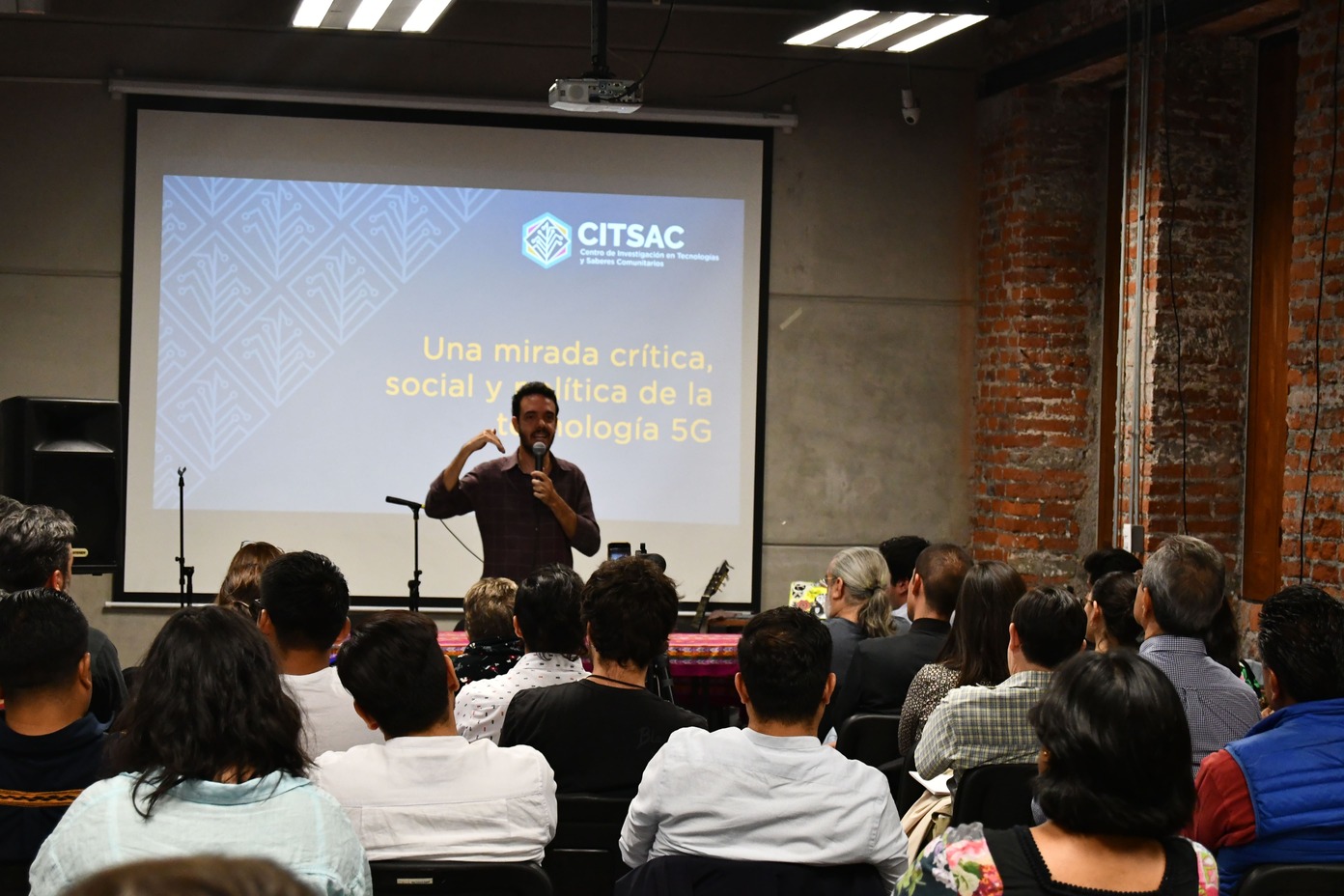
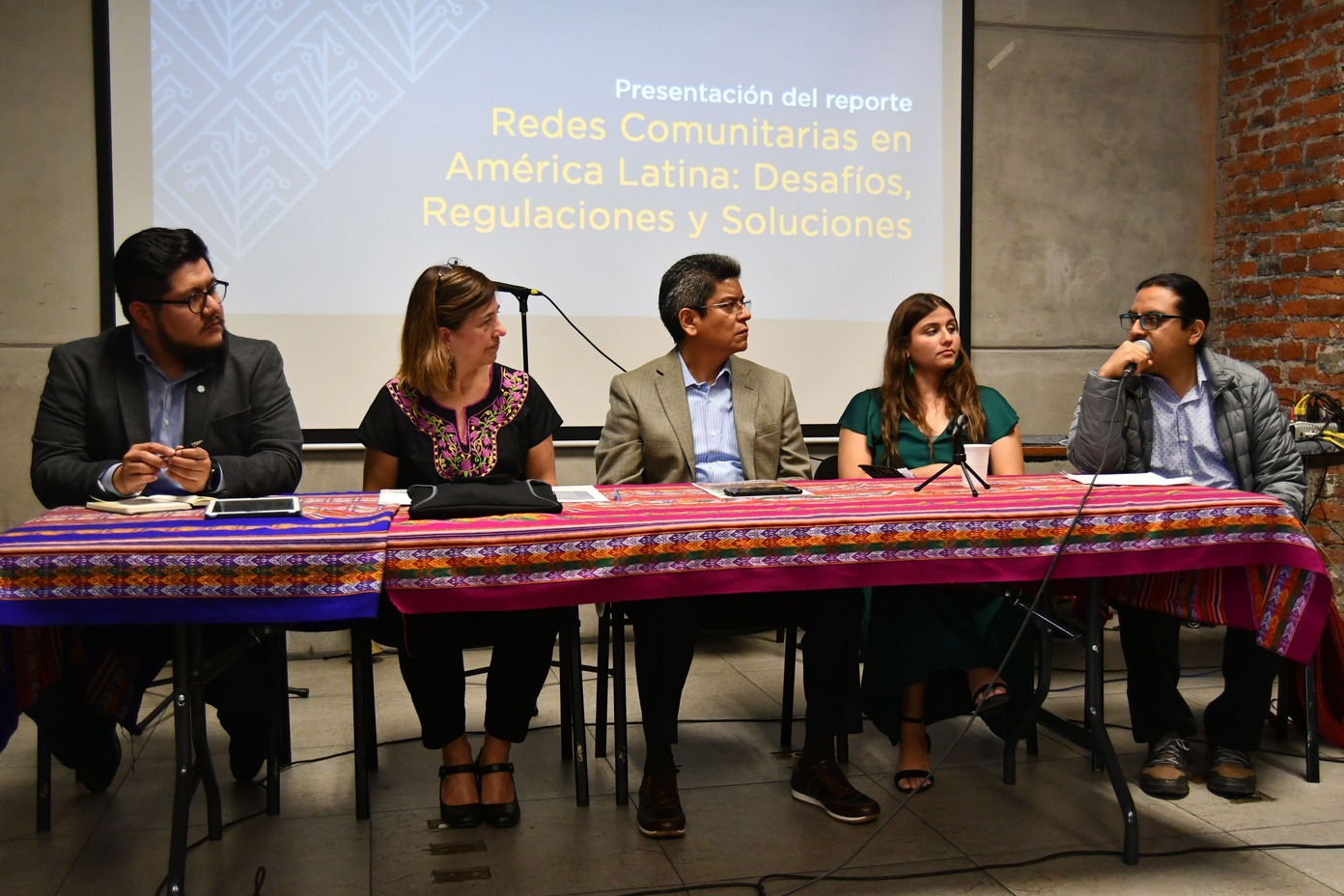
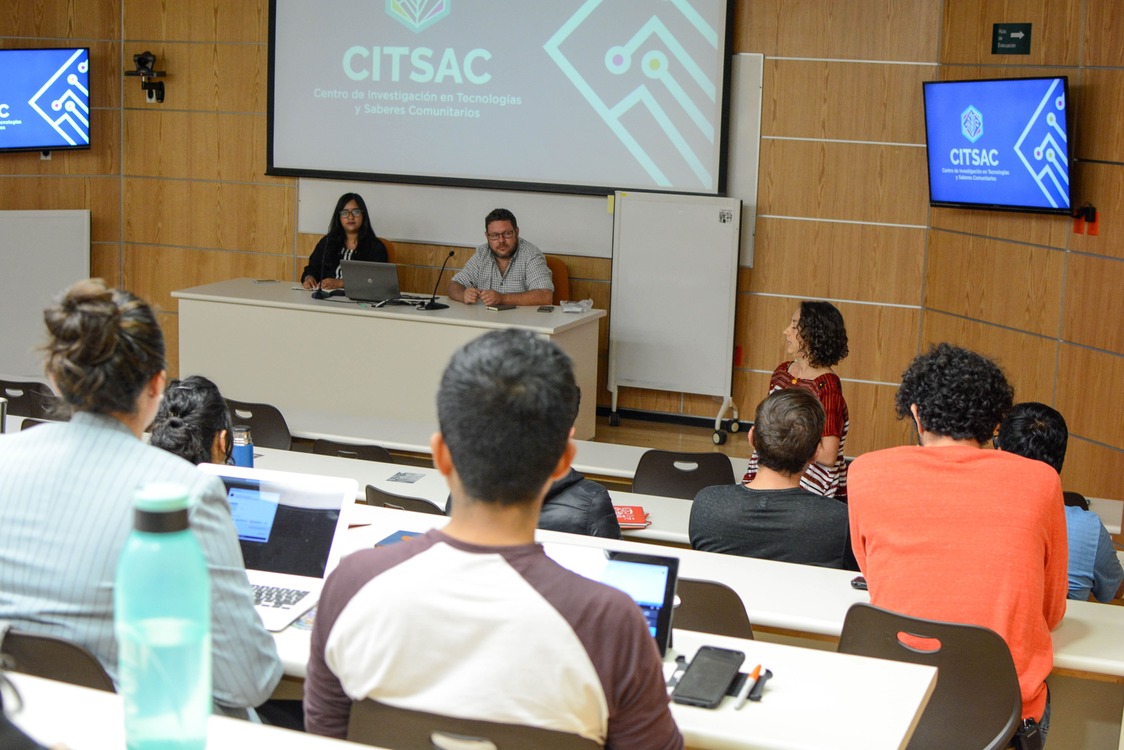
From these years of accompaniment to community and indigenous communication and telecommunications experiences and different applied research projects, Rhizomatica created with Rhizomatica the Center for Research in Technologies and Community Knowledge (CITSAC) in 2019 to promote the production and exchange of their own knowledge and strengthen community capacities and processes aimed at good living.
CITSAC promotes the Program to support and accompany community applied research projects in indigenous and Afro-descendant communities in Mexico.which supports the work of collectives and individuals who develop this type of research in their communities.
If you want to know more about the projects and actions in which we are currently involved, learn more about our areas of action: own contents, technologies for autonomy e political incidence.
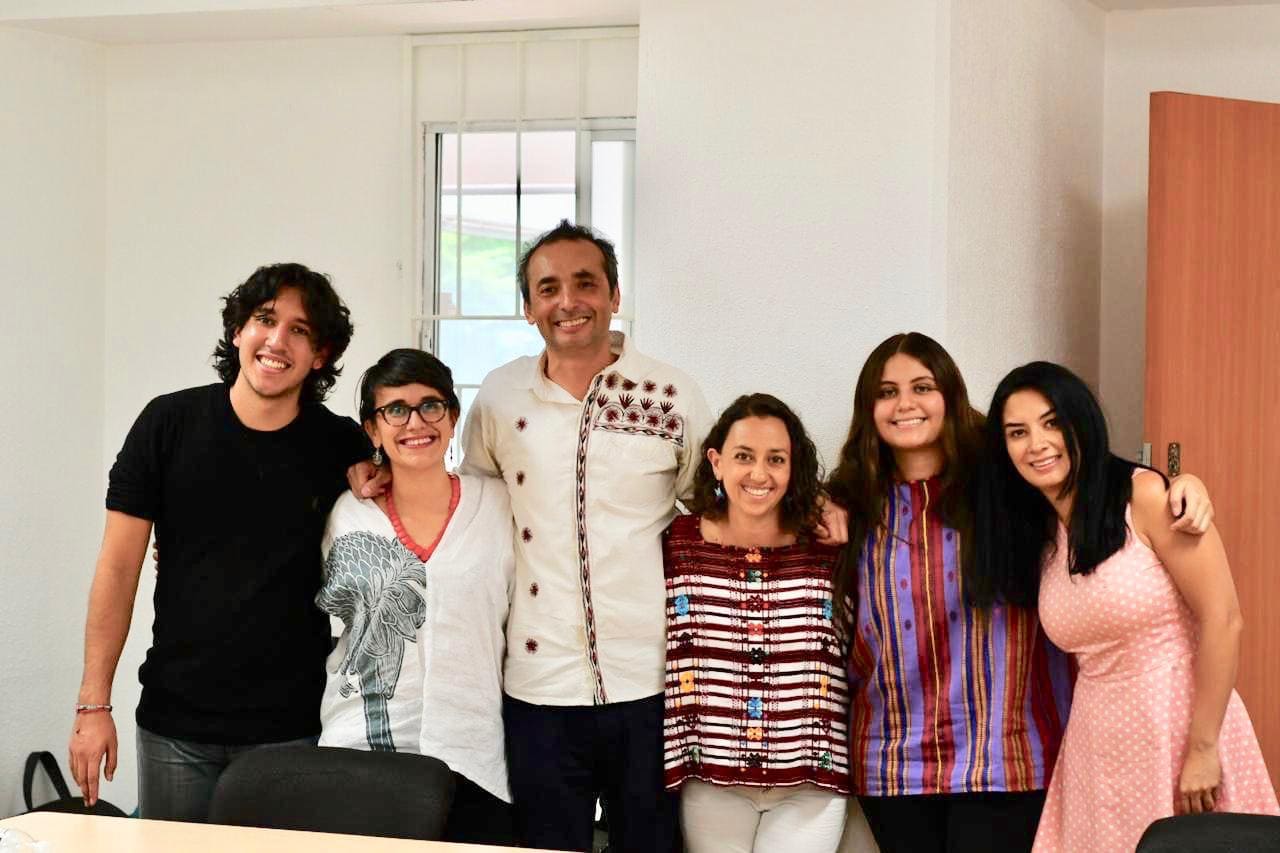
Members

Erick Huerta Velázquez
Carlos F. Baca Feldman
International Liaison

Daniela Parra Hinojosa


Yessica Thania Martínez Marreros
Proprietary Content
Adrian Lopez Angulo
Technologies for Autonomy
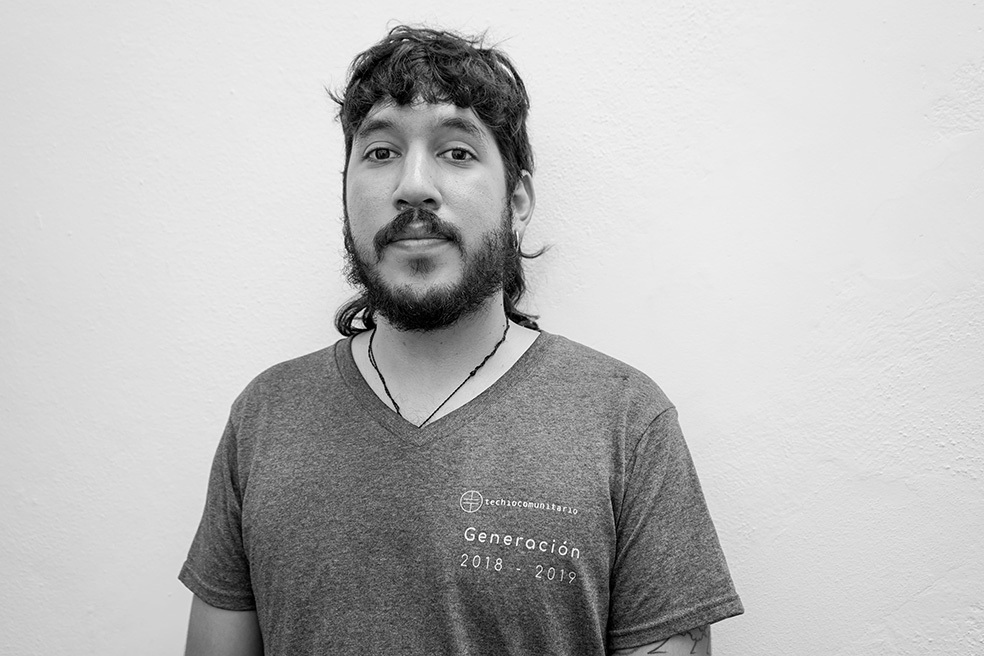

Catalina Trejos Sánchez
Technologies for Autonomy

Brenda Bojórquez López
Mariana López Lima


Daniela Bello Lopez
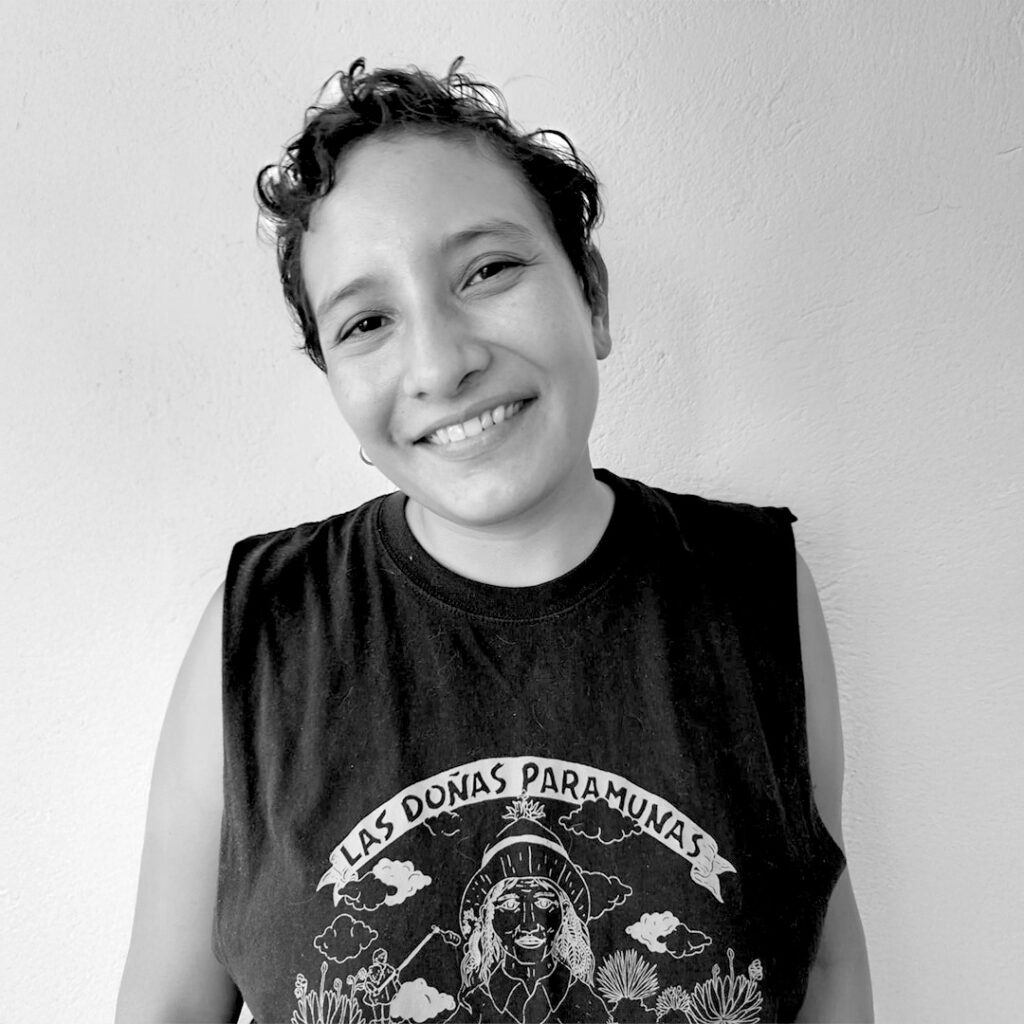
Paulina Mariana Cervantes Alonso
Cynthia Huerta Velázquez
Administration and Finance

Tania P. González González
 English
  Español de México